Istanbul Food Guide: 12 Dishes You Must Try (and Where to Find Them)
Turkish cuisine is one of the world's three great culinary traditions alongside French and Chinese, and Istanbul is its most vibrant showcase. It's not just about kebab — the variety of flavors, techniques and regional traditions converging in this city is staggering. This guide will help you navigate the essentials.
Turkish breakfast (kahvaltı): if you can only try one food experience, make it breakfast. A full kahvaltı includes white cheeses, olives, tomato, cucumber, honey with kaymak (clotted cream), menemen-style eggs, fresh-baked bread and endless çay (Turkish tea). The best spots are in Beşiktaş and Kadıköy. Allow at least an hour.
Kebab and its variations. Kebab in Turkey is nothing like what you know in Europe. Try İskender kebab (meat over pide bread with tomato sauce and melted butter), Adana kebab (spicy, grilled) and beyti sarma (wrapped in lavash with yogurt). Restaurants in Fatih and Sultanahmet have solid options, but avoid those with laminated photos out front.
Lahmacun and pide. Lahmacun is an ultra-thin crust with spiced meat, lemon and parsley that you roll up and eat with your hands — it's Turkey's ultimate street food. Pide is a boat-shaped pizza filled with cheese, meat or egg. The best ones come from neighborhood bakeries in Fatih.
Balık ekmek (fish sandwich). The Eminönü waterfront classic: crusty bread with grilled fish, onion and lettuce. Simple, cheap and unforgettable. Eat it facing the Bosphorus for the full experience.
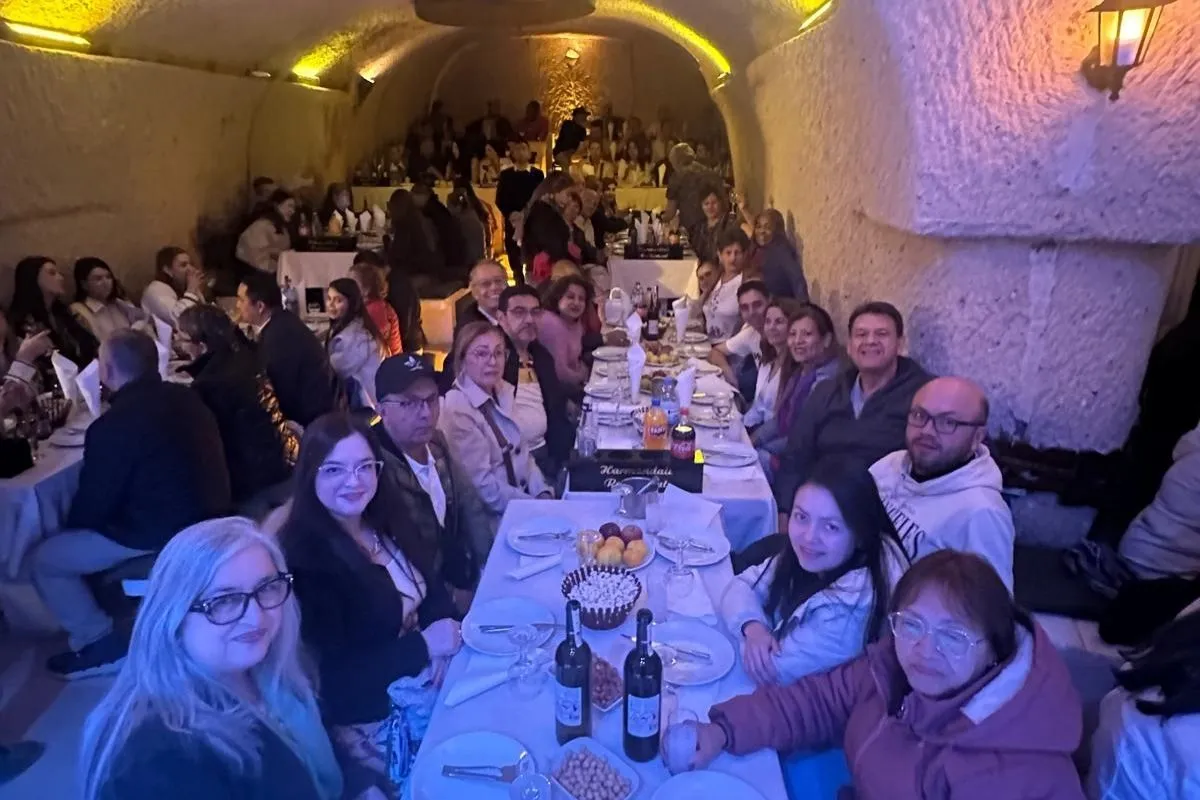
Meze and rakı. Mezes are small sharing plates: hummus, haydari (herbed yogurt), acılı ezme (spicy tomato paste), stuffed peppers and much more. Pair them with rakı, the Turkish anise spirit that turns white when you add water. The meyhane (tavern) is the ideal setting. The best ones are in Nevizade and Asmalımescit in the Beyoğlu district.
Turkish sweets. Pistachio baklava from Gaziantep is the undisputed king, but don't miss künefe (hot cheese with kadayıf pastry and syrup), sütlaç (oven-baked rice pudding) or lokum (Turkish delight). Hafız Mustafa, founded in 1864, is a reliable pick in both Sultanahmet and Taksim.
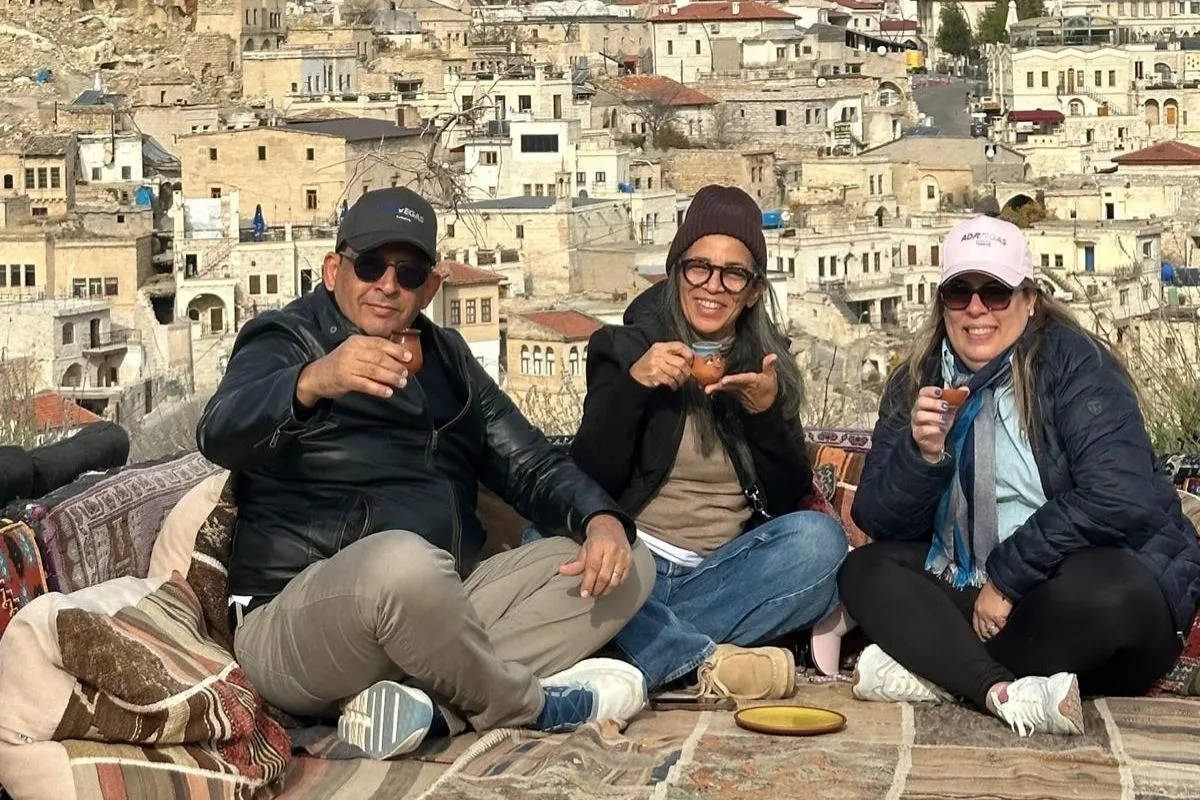
Turkish coffee and tea. Turkish coffee (türk kahvesi) is brewed in a cezve with adjustable sugar and served with a glass of water and a piece of lokum. It's dense, strong and aromatic. Tea (çay) is drunk from tulip glasses all day long. At any bazaar, shop or conversation you'll be offered one — accepting is part of the culture.
Where to eat without tourist traps. General rule: stay away from restaurants with menus translated into 8 languages with photos and waiters pulling you in from the street. The best places are the ones packed with locals at lunchtime. Kadıköy, Balat, Fatih and the Beşiktaş market area are safe bets for authentic eating.